You can shield your lawn and plants from the first hard freeze with a few targeted actions: water deeply, apply mulch generously, cover vulnerable plants with breathable fabric, and move containers to sheltered spots. These steps help your landscape enter dormancy strong so it rebounds beautifully in spring.
1. Prepare Your Lawn for the First Frost
Your lawn may appear sturdy, but frost can still damage it if you skip preparation. The goal is to keep roots insulated until warmer weather returns.
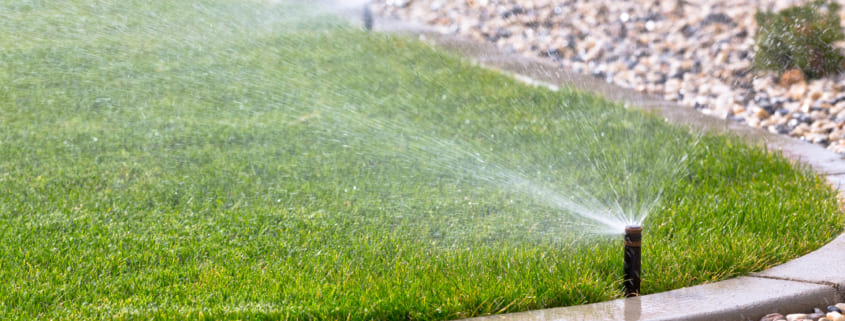
- Water deeply one to two days before the expected freeze. Moist soil retains heat better than dry soil.
- Remove fallen leaves promptly. A thick leaf layer can trap moisture and invite mold or disease.
- Mow your lawn one final time, slightly shorter than your usual height. This prevents matting under snow and discourages pests from nesting.
- If you haven’t aerated this fall, do so. Aeration helps nutrients and water reach roots during the colder months.
Treat your lawn now so it goes into dormancy healthy and returns stronger come spring. Check our lawn care services to create a proper routine for great results that can also be useful for winter prep.
2. Shield Your Plants from Freezing Nights
Delicate or recently planted vegetation is vulnerable to cold. Here’s how to help:
- Water thoroughly the day before frost. Moist soil helps retain warmth.
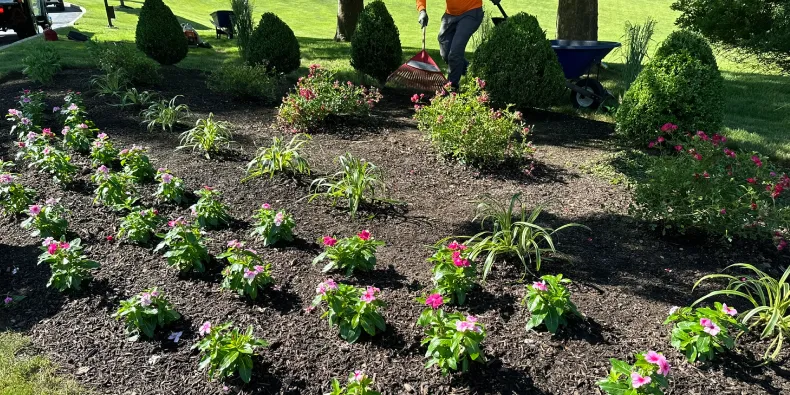
- Apply 2–4 inches of mulch (straw, wood chips, or bark) around plant bases to insulate roots.
- Cover plants with breathable fabric: frost cloths, old sheets, or lightweight blankets; and secure it to the ground to trap warmth.
- Remove covers after frost in the morning to avoid moisture build-up.
- Use cloches or buckets upside down for small plants, but uncover during the day.
3. Special Attention for Container Plants & Vulnerable Specimens
Plants in containers or tender perennials need more protection. Here are some tips that can help you with that:
- Move containers indoors on a shed, garage, or inside the house if needed.
- If they must stay outside, group pots in a sheltered area off the ground.
- Wrap pots in blankets or burlap, then place a breathable cover on top.
- Use a stick or wire to support the cover so it doesn’t press down on the plant.
- Inspect plants for pests or dead growth before bringing them inside.
What to Do After the Frost
After frost hits, don’t stop caring for your landscape:
- Remove any damaged or mushy plant foliage.
- Re-secure mulch or covers that may have shifted.
- Avoiding walking on frosted grass, it can snap blades and damage turf.
- Stay alert for upcoming frosts that may need additional protection.
Why It Matters and How Professional Help Fits In
Winter prep isn’t just about tossing on a tarp; timing, technique, and thoroughness make all the difference. Protecting your landscape before frost ensures your lawn, beds, and plants stay healthy beneath the surface, setting them up for a strong comeback in spring. A few missed steps now can lead to costly damage later.
Charlestown Landscaping provides seasonal landscape maintenance that includes fall clean-up, mulching, leaf removal, and bed care. Their team helps properties prepare for colder weather with well-timed services that protect your yard’s long-term health.
Ready to Protect Your Outdoor Spaces?
Get ahead of winter damage. Preparing your lawn and plants now keeps them healthy and saves on costly replacements later. Schedule winter services today in Malvern, Chester County, and surrounding areas. Contact us TODAY!.