Fall is an important time to address the spotted lanternfly in Chester County, especially before its eggs survive the winter and hatch in spring. Property owners should inspect trees and outdoor surfaces for egg masses, remove those they can safely reach, and check for invasive trees of heaven. Understanding what you can handle yourself and when to hire professionals can help protect your trees and reduce the spread of this invasive pest.
Why Spotted Lanternflies Are a Concern in Chester County
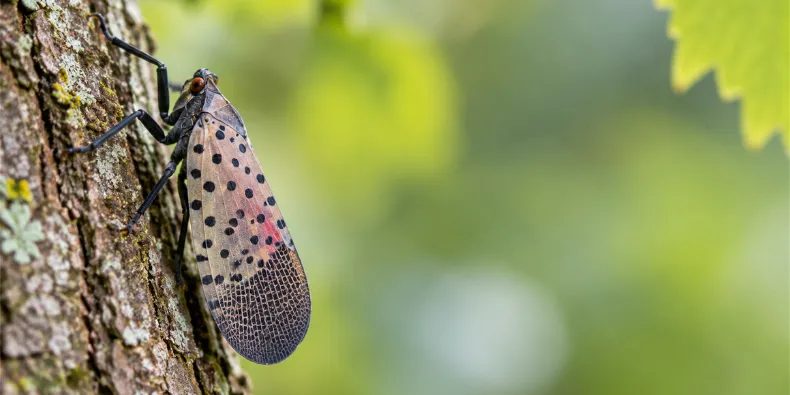
The spotted lanternfly is an invasive insect that feeds on sap from trees, vines, and other plants. Large populations can weaken susceptible plants, while the sticky substance they leave behind, called honeydew, encourages black sooty mold to develop on nearby surfaces.
Fall is particularly important because adult lanternflies lay eggs from late summer into early winter, with substantial egg-laying activity occurring in September and October. These eggs survive cold weather and can hatch the following spring, allowing infestations to continue if they are not addressed.
How to Control Spotted Lanternflies on Your Property
Managing spotted lanternflies during fall involves more than removing visible insects. Egg masses can remain hidden throughout winter, while invasive trees provide preferred feeding sites. Knowing what to inspect and when to seek professional help can make control efforts more effective.
How to Find and Remove Spotted Lanternfly Egg Masses
Spotted lanternfly egg masses often resemble dried mud or gray patches, making them difficult to recognize. Each mass typically contains around 30 to 50 eggs, so removing them before spring can help reduce the number of insects that hatch. When inspecting your property, check these common locations:
- Tree trunks and branches: Look for flattened gray or brown patches on bark and branches.
- Outdoor furniture and structures: Inspect fences, decks, patio furniture, and other hard surfaces.
- Equipment and stored materials: Check trailers, vehicles, firewood, and items kept outdoors.
To scrape spotted lanternfly eggs, use a plastic card or putty knife to remove the entire egg mass into a container containing rubbing alcohol. However, scraping alone will not eliminate an infestation, particularly when eggs are located high in mature trees. Penn State Extension research involving maple trees approximately 30 to 40 feet tall found that less than 2% of egg masses were located within 10 feet of the ground.
Safety reminder: Never climb ladders or trees to scrape spotted lanternfly egg masses. Focus on areas you can safely reach from the ground and seek professional guidance when dealing with larger trees.
Why Tree of Heaven Removal Matters
Tree of heaven is an invasive species and a preferred feeding host for spotted lanternflies. Removing it can help reduce feeding sites and limit infestations around your property. However, tree of heaven removal requires proper planning because cutting it down can trigger new growth from its roots. Penn State Extension recommends treating established trees with appropriate herbicides before removal. Consult a qualified professional to identify the tree and determine the best approach.
What Property Owners Should Do This Fall
Fall is a good time to address spotted lanternfly concerns before winter arrives. Regular inspections and proper tree maintenance can help reduce future infestations. Here are five practical steps property owners can take:
- Inspect your property. Check trees, structures, and outdoor equipment for egg masses.
- Remove reachable eggs. Scrape and destroy egg masses without climbing ladders or trees.
- Identify invasive trees. Look for the tree of heaven and arrange an evaluation before attempting removal.
- Check items before moving them. Inspect vehicles, equipment, and outdoor materials to prevent accidental transport.
- Schedule professional tree care. Have unhealthy, hazardous, or invasive trees evaluated before winter.
Spotted Lanternfly Permits: What HOAs and Property Managers Should Know
Chester County is within Pennsylvania’s spotted lanternfly quarantine area, meaning businesses must follow regulations designed to limit the insect’s spread. Pennsylvania requires businesses moving regulated articles within or out of quarantine areas to obtain a spotted lanternfly permit or operate under an applicable permitted business. This is particularly relevant for landscaping contractors transporting equipment, vehicles, and materials between properties.
For HOAs and commercial property managers, asking whether a landscaping contractor holds the required permit is an important part of the hiring process. Contractors should also follow appropriate inspection procedures to avoid accidentally transporting insects or egg masses. Keep in mind that a spotted lanternfly permit addresses quarantine compliance and does not automatically authorize pesticide applications or specialized pest treatments.
Your Trusted Team for Landscape Maintenance and Tree Care in Chester County
At Charlestown Landscaping, we help residential and commercial property owners keep their outdoor spaces healthy and well-maintained. Our landscaping maintenance services include seasonal cleanup, pruning, weeding, and general landscape upkeep.
We also provide tree services, including tree health assessments, trimming, removal, and stump grinding. Whether you’re concerned about unhealthy trees or invasive growth, we can evaluate your property and recommend appropriate care.
Protect Your Chester County Property Before Winter Arrives
Spotted lanternfly egg masses and invasive trees can create ongoing problems when left unaddressed. Taking action this fall can help reduce future infestations while supporting healthier trees and a well-maintained property.
Our team offers professional landscape maintenance and tree care to help homeowners, HOAs, and commercial property managers prepare for the colder months. Contact us today to discuss your property maintenance needs and request a free estimate.