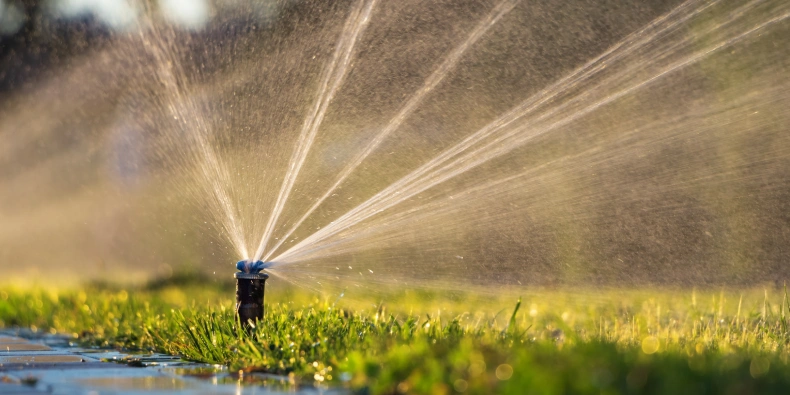
A well-planned irrigation system can help protect your lawn, planting beds, and landscape investment through dry Pennsylvania weather. But the best system is not always the biggest system, and more water is not always better. The right landscape irrigation systems in Chester County, PA should match your soil, slope, sun exposure, plant types, drainage, and maintenance needs.
Charlestown Landscaping helps homeowners plan outdoor spaces that stay healthy, clean, and functional. If you are considering a lawn irrigation system in Malvern, PA or nearby areas, this guide explains what matters before installation.
Why Irrigation Matters in Chester County
Chester County lawns face summer heat, variable rainfall, clay-heavy soil, slopes, shade, and mixed planting areas. Some parts of a property dry out quickly, while others hold too much moisture due to poor drainage or compacted soil. A smart irrigation system should water each area based on real site conditions, not one fixed schedule.
What Most Contractors Won’t Tell You
A sprinkler system can turn on and still perform poorly. Bad layouts may leave dry patches, soak the wrong areas, spray pavement, or create runoff.
Good irrigation planning should consider water pressure, soil type, slope, drainage, sun exposure, plant zones, and future service access. If these details are skipped, you may pay for wasted water, repairs, or plant problems later.
Sprinkler vs. Drip Irrigation
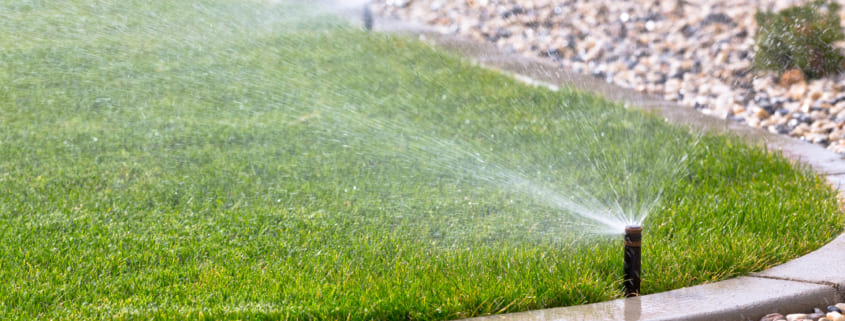
The best irrigation system for PA lawns often uses more than one watering method. Sprinklers work best for open lawn areas, while drip irrigation works better for planting beds, shrubs, trees, and narrow areas.
Use sprinklers for:
- Larger lawn areas
- Open turf zones
- New seed or sod
Use drip irrigation for:
- Planting beds
- Shrubs and small trees
- Sloped or narrow areas
- Foundation plantings
What a Proper Irrigation Design Should Include
A proper irrigation system installation in Pennsylvania should start with a site review. Your contractor should look at how water moves across the property before adding more water to the landscape.
Key design factors include:
- Lawn size and shape
- Sun and shade patterns
- Soil type
- Slope and drainage
- Water pressure
- Separate lawn and bed zones
- Controller location
- Future maintenance access
This planning helps reduce runoff, soggy soil, dry spots, and wasted water.
Why Drainage Matters Before Installation
Irrigation and drainage should work together. If your property already has soggy areas, low spots, compacted soil, or poor grading, adding irrigation can worsen the issue.
A good irrigation contractor should ask where the water goes after it lands. If water moves toward your foundation, patio, driveway, or low lawn areas, drainage should be addressed before installation.
Smart Irrigation Features Worth Considering
Modern irrigation systems can do more than run on a basic timer. Smart controllers, rain sensors, and separate watering zones can help reduce waste and make the system easier to manage.
Helpful features include:
- Smart controllers
- Rain sensors
- Drip irrigation zones
- Pressure-regulated heads
- Seasonal programming
- Shutoff valves
These features can help your system adjust better through changing Pennsylvania weather.
Residential Irrigation System Cost in PA
Residential irrigation system cost in PA depends on property size, number of zones, water pressure, system type, trenching difficulty, drainage issues, and smart controller options. A simple lawn system usually costs less than a larger property with turf zones, planting beds, slopes, and hardscape obstacles.
The lowest estimate is not always the best value. A cheaper system can cost more later if it waters unevenly, wastes water, damages plants, or needs frequent repairs.
Common Irrigation Problems to Watch For
Small irrigation problems can create bigger lawn and landscape issues over time. Watch for signs that your system needs repair, adjustment, or redesign.
Common warning signs include:
- Brown lawn patches
- Soggy soil
- Water running onto the pavement
- Sprinklers spraying hard surfaces
- Uneven coverage
- Low water pressure
- Leaking or clogged drip lines
- High water bills
These problems may come from poor layout, bad scheduling, drainage issues, pressure problems, or damaged parts.
What to Ask an Irrigation Contractor
When searching for landscape irrigation near me, choose an irrigation contractor in Chester County who understands the full landscape. The system should support your lawn, beds, drainage, and long-term maintenance needs.
Ask these questions:
- Will you evaluate drainage first?
- Will lawn and bed zones be separated?
- Do you offer drip irrigation?
- Will the system include a rain sensor or smart controller?
- How will you prevent overspray and runoff?
- Do you provide startup and winterization services?
Plan a Smarter Irrigation System for Your Property
The best landscape irrigation systems in Chester County, PA, are designed around the property, not copied from a standard layout. Your lawn, beds, drainage patterns, soil, slopes, and sun exposure all affect how water should be delivered. If you want a lawn irrigation system in Malvern, PA, or nearby areas, Charlestown Landscaping can help you plan a smarter irrigation system that supports healthier growth, cleaner beds, and better long-term performance. Contact us today to schedule irrigation service for your Chester County property.