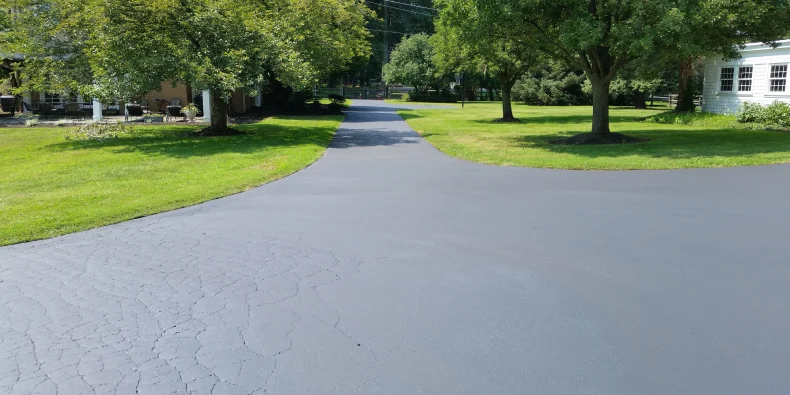
Sealcoating plays a major role in protecting asphalt from wear, weather damage, and premature deterioration. Many homeowners know they should sealcoat, but they are unsure how often it should be done. The right schedule depends on traffic levels, weather conditions, and the pavement’s overall condition. At Charlestown Landscaping, we help property owners determine the ideal frequency to extend the life of their driveway while keeping it clean and well-maintained.
Why Regular Sealcoating Matters
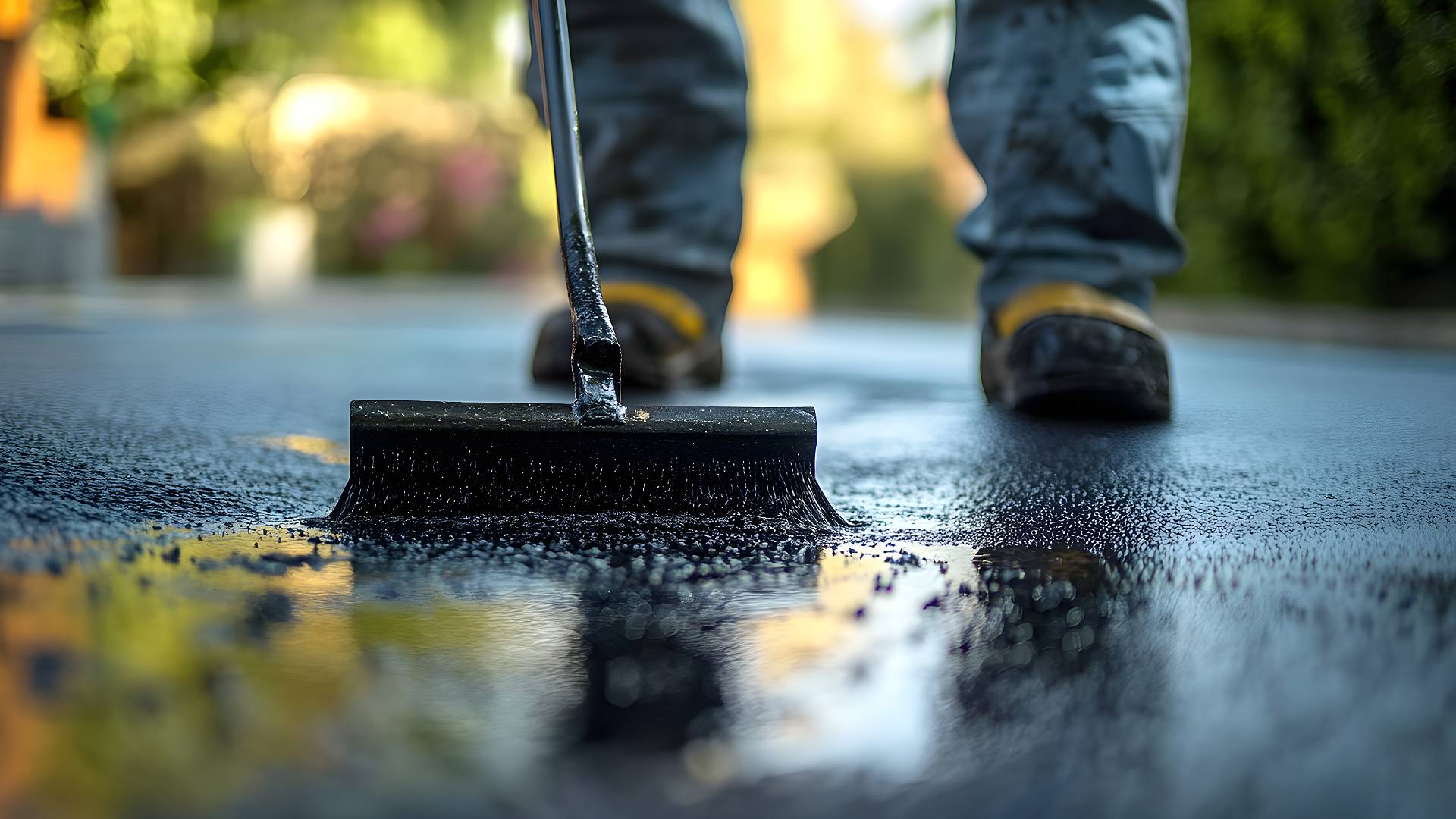
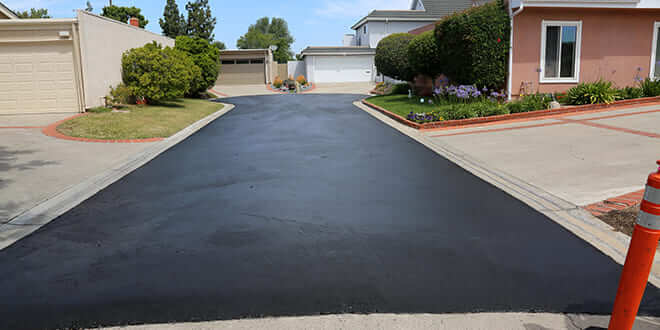
Asphalt naturally breaks down over time due to sunlight, moisture, and vehicle traffic. Without protection, the surface begins to fade, crack, and lose flexibility. Sealcoating creates a protective layer that slows oxidation and blocks water penetration. When applied on a proper schedule, it reduces costly repairs and maintains a smooth, dark finish that improves curb appeal.
General Rule: Every 2–3 Years
Most asphalt driveways benefit from sealcoating every two to three years. This timeline allows the protective coating to wear down gradually before applying a fresh layer. However, this is only a baseline guideline for resealing. Some properties may need resealing sooner, while others can wait longer depending on environmental factors.
New asphalt driveways typically require a waiting period before the first sealcoat. Fresh pavement needs time to cure and release natural oils before a sealer is applied. After that initial stage, maintaining a consistent schedule becomes easier.
Factors That Affect How Often You Should Sealcoat
Several variables influence how quickly a driveway loses its protective layer. Evaluating these conditions helps determine whether you should reseal sooner than the average timeframe.
Climate and Weather Exposure
Areas with intense sunlight, heavy rainfall, or freezing temperatures tend to wear down sealcoat faster. UV rays cause oxidation, while moisture can seep into small cracks and expand during temperature changes. Seasonal conditions also influence scheduling, since sealcoating works best in warm, dry weather.
Traffic Volume and Usage
Driveways that handle multiple vehicles, delivery trucks, or frequent turning movements experience faster wear. Tire friction and pressure gradually remove the protective coating. If your driveway is a high-traffic surface, you may need to reseal it closer to the two-year mark.
Surface Condition
A driveway that shows fading color, small cracks, or rough texture may need sealcoating sooner. Waiting too long allows damage to spread beneath the surface, which leads to larger repairs. Regular inspections help catch early signs before they worsen.
Signs It’s Time to Reseal Your Driveway
Even if you follow a general schedule, visual cues can indicate when it’s time for another application. Watch for these common signs:
- The asphalt turns gray or loses its dark finish
- Water stops beading on the surface
- Small cracks begin to appear
- The texture feels dry or brittle
- The previous sealcoat looks thin or worn
If several of these signs appear, it may be time to schedule your next sealcoating service.
Timing Your Sealcoating Schedule
Frequency and timing work together. Planning resealing around favorable weather conditions helps achieve better curing results and longer-lasting protection. Warm temperatures, low humidity, and clear forecasts create the ideal environment for application. Many homeowners coordinate their resealing schedule with seasonal maintenance to maximize durability.
Professional vs. DIY Scheduling
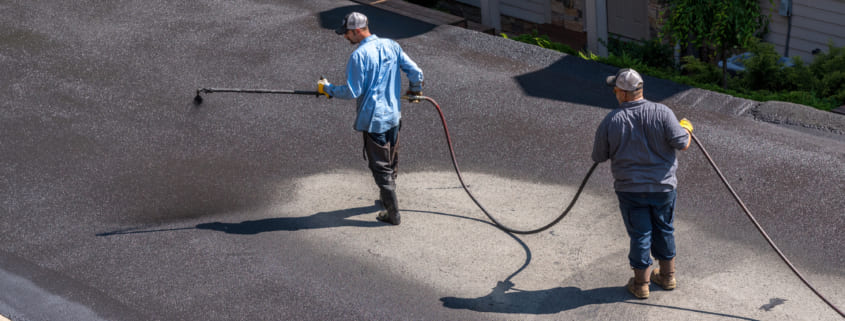
Some property owners attempt to sealcoat their driveways themselves, but professionals often achieve more consistent results. Contractors evaluate pavement condition, choose the right sealer type, and apply even coverage. Teams like Charlestown Landscaping also plan projects around optimal weather conditions to help avoid curing issues or premature wear.
DIY sealcoating may work for minor maintenance, but improper timing or uneven application can shorten the coating’s lifespan. Investing in professional services often leads to better long-term performance.
Ready to Protect Your Driveway?
If your asphalt driveway shows signs of wear or has been a few years since the last sealcoat, now is the perfect time to take action. A professional evaluation from Charlestown Landscaping can help determine the right maintenance schedule based on your climate, traffic levels, and pavement condition. Do not wait for small issues to turn into costly repairs. Contact us today to keep your driveway protected, durable, and looking its best year-round.