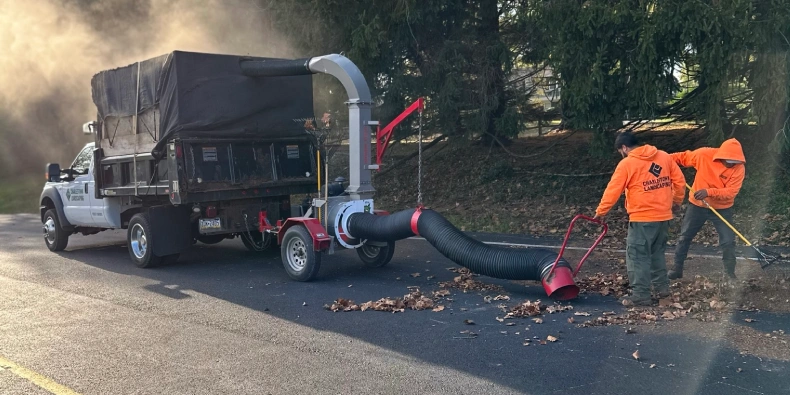
For fall cleanup, start by removing leaves and debris from beds, gutters, and drains, then prune dead branches and cut back perennials. Apply 2-3 inches of mulch after the soil cools to insulate roots and suppress weeds, keeping it a few inches away from tree trunks. Clear drainage systems and low spots to prevent winter water damage, and rake out decomposed mulch in early spring to prep for new growth.
Fall Cleanup Checklist: Your Step-by-Step Guide
Ready to get started? Follow these key steps to ensure your fall landscape cleanup is thorough and effective. With the right approach, you can avoid costly damage and promote long-term plant health. Timing and technique matter, so use this checklist to get the most out of your effort.
1. Assess Your Property for Cleanup
Start with a full walkthrough. Prioritize cleanup in these three zones:
- Beds and borders: Remove leaf buildup, dead annuals, and soggy debris.
- Trees and shrubs: Clear fallen limbs, dead branches, and leaf litter under canopies.
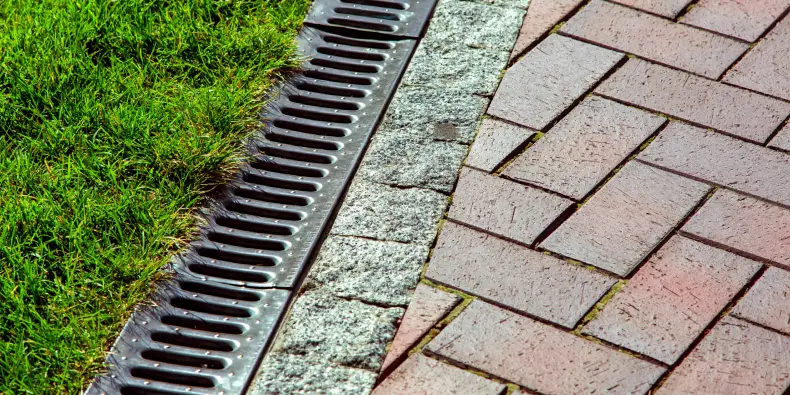
- Hardscape: Leaves on walkways and patios can mold, discolor, or clog drains.
Your plan should cover all zones to be effective.
2. Essential Tools & Materials
The right tools make a big difference in efficiency and results. Choosing durable, professional-grade materials ensures the job gets done faster and with less effort.
- Leaf blower (variable speed)
- Rake with wide, durable tines
- Pruning shears or loppers
- Wheelbarrow or yard cart
- Tarps or heavy-duty bags
- Organic mulch (shredded hardwood or pine)
- Gloves, safety glasses, weather-ready gear
Larger properties benefit from pro-grade equipment and professional landscape maintenance to reduce labor and sudden expenses.
3. Leaf Removal & Debris Cleanup Strategies
Mulch in place vs. removal: If leaves are thin (under 1/2 inch), mow or shred them to mulch in place. If they are dense or wet, remove them from beds and hardscape to prevent suffocation or mold.
Top-to-bottom method: Begin with trees and shrubs, then move to beds and ground areas to avoid double work.
Best practices
- Blow or rake into piles
- Use tarps to drag leaves to disposal or compost
- Remove debris around plant crowns and roots
Clear clogged zones: Focus on gutters, low spots, and edges where leaves build up and block drainage.
4. Pruning & Cutting Back Plants
Prune before winter to avoid damage and promote health:
- Remove dead or diseased limbs
- Trim crossed or rubbing branches
- Cut back perennials and annuals, but leave some stems for bird habitats
5. Winter Mulch Preparation & Application
Why mulch now?
- Insulates roots from freeze-thaw damage
- Suppresses weed growth
- Retains soil moisture
Best mulch practices:
- Use organic options: shredded hardwood or pine bark
- Wait until the soil cools, but before it freezes
- Apply 2–3 inches deep
- Keep 2–3 inches of space around trunks and stems
- Spread evenly without compacting
6. Final Hardscape & Drainage Checks
Even after leaf and debris removal, your property needs a final inspection to stay safe through winter. Hardscape and drainage systems can be especially vulnerable to buildup or blockages.
- Patios, walkways, and driveways: sweep off mulch or leaves
- Drains and gutters: ensure clear flow
- Low spots or pooling areas: fill or regrade to protect foundations
7. Maintain Through Winter & Early Spring
Staying on top of maintenance through winter prevents small issues from becoming major problems. Consistent lawn care ensures your landscape remains healthy and ready for spring revival.
- After storms, remove heavy debris and snow
- In early spring, rake out decomposed mulch and top off
- Use spring cleanup to follow up on your fall prep
Book Your Fall Cleanup Now
Our schedule fills fast in Malvern, PA. Let our expert team handle your leaf removal, pruning, mulch prep, and drainage checks. You’ll head into winter worry-free and start spring strong. At Charlestown Landscaping, we ensure nothing gets overlooked. Booking early means peace of mind all season long. Contact us now or call (610) 608-3965 for a no-obligation estimate.